Source princess dress up cosplay costume for Halloween, Carnival, and Party
Find 30 options for princess dress up cosplay costume designed for girls. Compare styles, materials, and prices from suppliers in Guangdong to select the right outfit for Halloween, carnival, or party events.
Key considerations
Products List
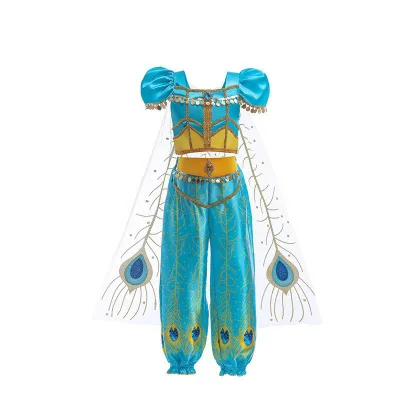
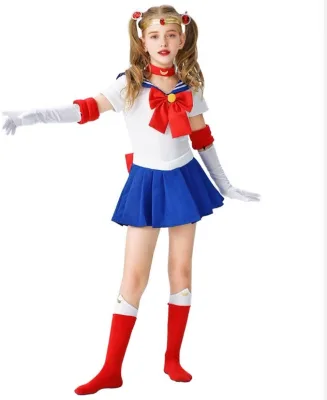
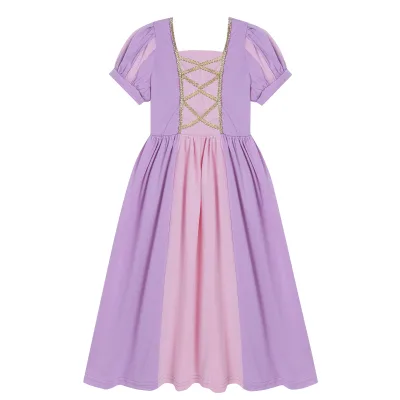
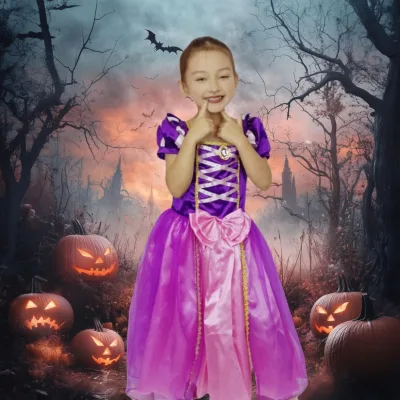
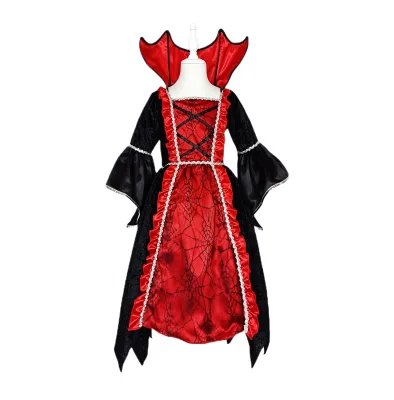
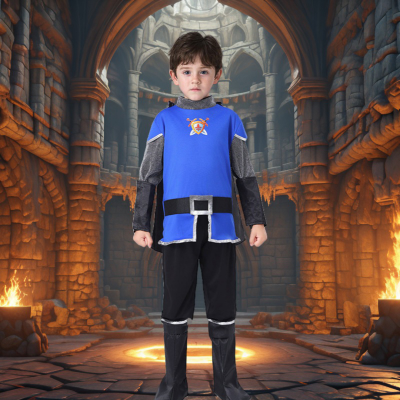


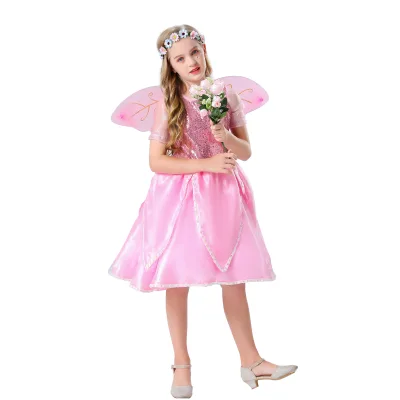
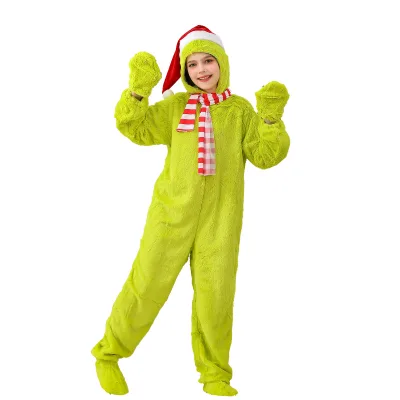
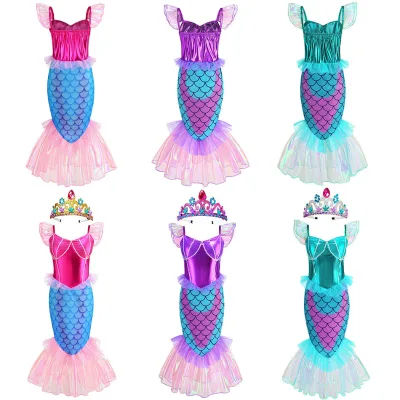
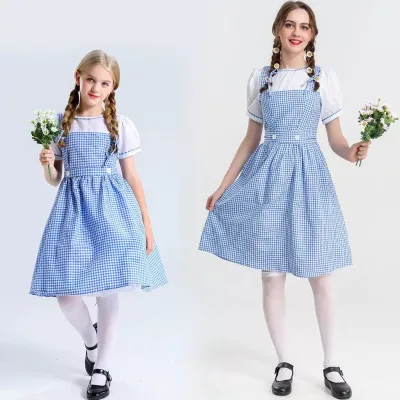
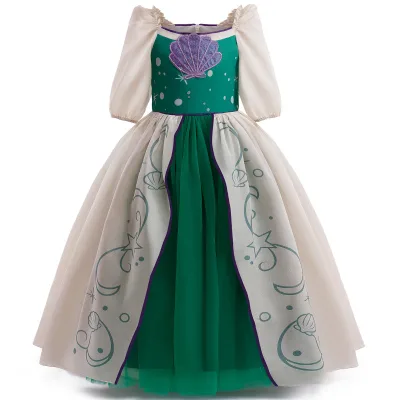


Comprehensive Sourcing Guide
Princess Dress Up Cosplay Costume Sourcing Guide
Sourcing princess dress-up costumes for children requires a careful balance between aesthetic fidelity, material safety, and commercial viability. These garments serve dual purposes as both everyday imaginative playwear and specialized performance attire for events such as Halloween, Christmas parties, and cosplay conventions. Buyers must navigate a market where visual appeal often competes with practical constraints like durability and ease of care. The following guide outlines the essential verification steps for procurement professionals looking to source these items from manufacturers, particularly those based in major textile hubs like Guangdong, China.
The procurement process begins with defining the specific use case, whether the costumes are intended for mass-market retail, promotional giveaways, or theatrical performances. Each use case dictates different requirements for fabric weight, construction quality, and packaging. For instance, costumes designed for single-use party favors may prioritize low cost and vibrant digital prints, while those for stage performances require higher-grade materials and reinforced stitching. Understanding the end-user’s environment helps in selecting the appropriate product type, ensuring that the final goods meet both safety standards and customer expectations for longevity and comfort.
Product Scope and Observed Listing Signals
The current market for princess cosplay costumes features a diverse range of styles, including popular characters such as Jasmine and Rapunzel, which are frequently marketed under keywords like "luxury girls princess dresses" or "movie cosplay dress up." Listings often highlight specific attributes such as short sleeves, European and American styling, and color variations that may include green, purple, or multi-color options labeled as "AS SHOWN." Buyers should note that product names and descriptions can vary significantly between suppliers, with some emphasizing "hot sales" or specific holiday themes like Halloween and carnival wear. This variability requires careful cross-referencing of product images with technical specifications to ensure accurate ordering.
Observed listing signals indicate a wide range in pricing, typically spanning from $0.21 to $33 USD, reflecting differences in material composition, design complexity, and brand positioning. Minimum Order Quantities (MOQs) also vary substantially, ranging from small batches of 2 pieces to larger orders of 500 pieces, with some suppliers setting specific thresholds such as 7 pieces for sample or trial orders. These commercial signals suggest a flexible supply chain capable of accommodating both small boutique retailers and large-scale distributors. However, buyers must verify whether the listed prices include shipping, taxes, or packaging costs, as these factors can significantly impact the final landed cost of the goods.
Technical Specifications to Verify
Material composition is a critical technical specification that directly affects the comfort, durability, and safety of the costume. Common materials observed in listings include polyester and cotton-polyester blends, each offering distinct advantages in terms of breathability, wrinkle resistance, and ease of maintenance. Buyers should verify the exact percentage of cotton versus polyester, as higher cotton content generally improves comfort for children’s skin, while polyester enhances durability and color retention. Additionally, the presence of digital printing methods should be confirmed, as this technique allows for vibrant, detailed character designs but may require specific care instructions to prevent fading or cracking over time.
Packaging and dimensional specifications are equally important for logistics and retail readiness. Single package sizes typically range from compact dimensions like 30x20x10 cm to larger boxes measuring 35x35x6 cm, with corresponding gross weights varying between 0.300 kg and 0.450 kg. These variations impact shipping costs and storage requirements, making it essential for buyers to calculate the volumetric weight accurately. Furthermore, size charts often correlate numerical sizes (e.g., 100-150) with age ranges (e.g., 2-3T to 9-10T), but buyers should request detailed measurement charts for each size to minimize return rates due to fit issues. Consistency in sizing across different styles and colors is a key indicator of a supplier’s manufacturing precision.
Compliance and Safety Documentation
Safety compliance is non-negotiable when sourcing costumes for children, particularly those intended for Halloween or other holiday events where flammability and chemical safety are paramount. Buyers must verify that suppliers adhere to relevant safety standards, such as EN71 for toy safety or other regional regulations governing children’s apparel. While some listings may mention needle detection processes, indicating a commitment to physical safety by ensuring no broken needles remain in the garments, this is not a substitute for comprehensive chemical and flammability testing. Buyers should request test reports from accredited laboratories to confirm that the fabrics and dyes meet strict limits for harmful substances like lead, phthalates, and formaldehyde.
Documentation requirements should also include proof of compliance with labor standards and ethical manufacturing practices, especially if the brand has a commitment to social responsibility. Buyers should inquire about the supplier’s quality control protocols, including whether they conduct pre-shipment inspections and how they handle defective items. Clear communication regarding warranty policies and return procedures for non-compliant goods is essential to mitigate risk. By prioritizing suppliers with robust compliance documentation, buyers can protect their brand reputation and ensure the safety of the end consumers.
Cost Drivers and Commercial Terms
Several factors influence the final cost of princess cosplay costumes, including material costs, labor intensity, and design complexity. Digital printing and intricate character designs often require more production time and specialized equipment, which can increase unit costs. Additionally, the choice of fabric, such as cotton-polyester blends versus pure polyester, affects both the raw material cost and the perceived value of the product. Buyers should analyze the cost breakdown to understand where value is being added and whether premium pricing is justified by superior materials or craftsmanship.
Commercial terms such as lead times, payment conditions, and shipping methods also play a significant role in the total cost of ownership. Some suppliers may offer support for sample orders within seven days, while others do not, impacting the speed of product development and market testing. Shipping options range from express couriers like DHL, UPS, and FedEx to sea and air freight, each with different cost and time implications. Buyers should negotiate clear terms regarding who bears the risk and cost of shipping, as well as the procedures for handling delays or damages during transit. Understanding these variables allows for more accurate budgeting and inventory planning.
Supplier Qualification and Quality Control
Evaluating supplier qualifications involves assessing their production capacity, technical expertise, and track record in the children’s apparel sector. Buyers should verify the supplier’s location, with many manufacturers based in Guangdong, China, a region known for its textile industry infrastructure. It is important to confirm that the supplier has experience in producing costumes that meet international safety and quality standards, particularly for markets like Europe and North America. Requesting references or case studies from previous clients can provide insights into the supplier’s reliability and consistency.
Quality control processes should be rigorously evaluated, including the supplier’s internal inspection protocols and their response to quality issues. Buyers should ask about the frequency of production audits, the training provided to factory workers, and the use of automated or manual inspection methods. A supplier that proactively implements quality control measures, such as needle detection and fabric testing, is more likely to deliver consistent, high-quality products. Establishing a clear communication channel for addressing quality concerns and defining acceptable defect rates is crucial for maintaining a successful supply chain relationship.
Long-Term Procurement Checks
Long-term procurement success depends on continuous monitoring of supplier performance and market trends. Buyers should regularly review supplier metrics such as on-time delivery rates, product quality consistency, and responsiveness to changes in order volume or design. Establishing key performance indicators (KPIs) and conducting periodic supplier audits can help identify potential issues before they escalate. Additionally, staying informed about changes in safety regulations and consumer preferences ensures that the sourced costumes remain compliant and relevant in the market.
Building a diversified supplier base can mitigate risks associated with single-source dependencies, such as production delays or quality fluctuations. Buyers should consider developing relationships with multiple suppliers to ensure continuity of supply and competitive pricing. Regularly updating product specifications and requirements based on feedback from end-users and market analysis helps in maintaining a competitive edge. By adopting a strategic approach to supplier management and quality assurance, buyers can secure a reliable supply of high-quality princess cosplay costumes that meet the needs of their customers.
FAQs
What materials are used for the princess dress up cosplay costume?
The costume is primarily made of polyester, with some variations using a cotton and polyester blend. This material choice ensures durability and comfort for children during spring, summer, and autumn wear. The fabric supports digital printing methods for detailed designs.
Which sizes are available for the girls princess dress up costume?
Available sizes range from 100 to 150, corresponding to ages 2-3T up to 9-10T. Specific size mappings include 100 for 2-3 years and 150 for 9-10 years. Buyers should verify the exact size chart against the product model number SW-K475 or SW-T169.
Can I order a sample of the princess dress up cosplay costume?
Sample order support varies by product listing, with some items supporting a 7-day sample lead time while others do not. Buyers must check the specific product page to confirm if a sample is available before placing an order for the Jasmine or Rapunzel style dresses.
What is the minimum order quantity for the princess dress up costume?
The minimum order quantity ranges from 2 to 500 units depending on the specific supplier and product listing. Some items list an MOQ of 7 pieces, while others may require higher volumes. Buyers should confirm the exact MOQ for their selected model number.
Which occasions are suitable for wearing the princess dress up costume?
These costumes are designed for Halloween, Christmas, parties, shows, and carnival events. They are also suitable for daily wear and TV movie cosplay performances. The product is explicitly categorized for stage, dancerwear, and ballroom performance types.
How is the princess dress up costume packaged for shipping?
Single package sizes vary, typically measuring around 35x35x2 cm or 30x20x10 cm depending on the model. The single gross weight ranges from 0.300 kg to 0.450 kg. Shipping options include DHL, EMS, UPS, FedEx, sea, and air freight from Guangdong, China.